
Bankruptcy Terms You Need to Know
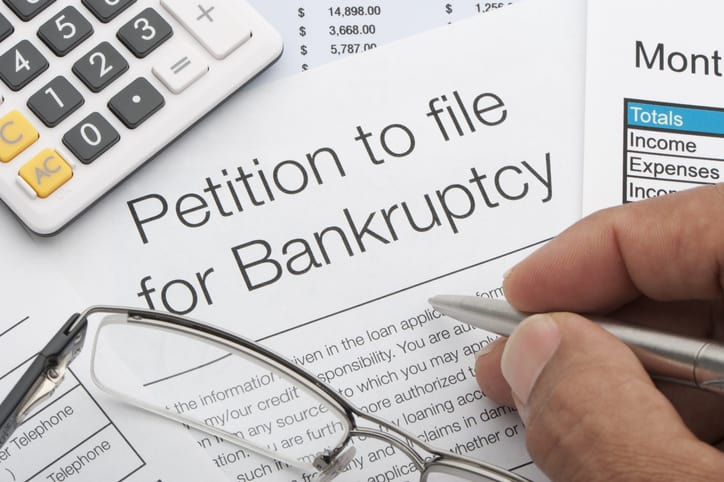
As with many legal matters, bankruptcy comes with its own set of words that the general public may not understand. Feel more informed as you begin the process by brushing up on these bankruptcy terms before you file.
- Chapter 7 bankruptcy: Sometimes called a “straight bankruptcy” or “liquidation,” Chapter 7 is what most people think of when they picture filing for bankruptcy. This is when non-exempt assets are sold to pay off as much debt as possible.
- Chapter 13 bankruptcy: Commonly referred to as “reorganization,” Chapter 13 is when the court negotiates a three- to five-year debt repayment plan in exchange for letting the debtor keep their assets. When the agreed-upon period is up, the remainder of the debt is discharged.
- Creditor vs. debtor: The creditor is the person to whom money is owed. The debtor is the person who owes money and is filing for bankruptcy.
- Secured debt vs. unsecured debt: Loans that are backed by reclaimable property (or collateral) are known as secured debt. Mortgages and car loans are examples of this. Unsecured debt is when there is no tangible collateral, such as with medical bills or credit card debt.
- Trustee: This is the person or corporation charged with representing a bankruptcy case. The trustee collects and sells the debtor’s property under Chapter 7, oversees the debtor’s repayment plan under Chapter 13, and ensures the creditors receive the money they are owed.
- Exemptions: While bankruptcy involves selling assets to repay debts, some property is exempt from this. The available exemptions vary by case, but things such as personal vehicles, home equity, and work tools may be exempt.
- Bankruptcy discharge: When a debtor is relieved of debt without having to repay it, this is known as a discharge. For most people, the discharge is the final court action that occurs before the bankruptcy proceedings are complete.
- Reaffirmed account: Under Chapter 7, debtors may agree to pay a dischargeable debt if doing so allows them to keep a home or car that might otherwise be seized during the bankruptcy proceedings. This is known as reaffirming the account.
- Means test: People who want to file Chapter 7 must demonstrate their inability to repay their debts by taking a means test. If a debtor’s income, assets, expenses, or liabilities disqualify them for Chapter 7, the case may either be dismissed or converted into a Chapter 13 proceeding.
- Meeting of creditors: Also known as the “341 hearing,” the meeting of creditors is when the bankruptcy trustee questions the debtor under oath about their financial affairs. The purpose of this meeting is to ensure that the case is truthful, valid, and complete. It’s best if debtors go into the meeting of creditors with a bankruptcy attorney by their side.
If you still have questions about filing for bankruptcy, or you’re ready to begin the process, please contact Cutler & Associates at (773) 360-5802. We’ll provide you with the answers you need during your free consultation.

Managing Your Chapter 7 Bankruptcy
Are you struggling with overwhelming debt in Schaumburg, IL? If you’ve considered filing for bankruptcy, you’re…

Using Bankruptcy to Stop Creditor Harassment
Are you bombarded with phone calls, threatened with lawsuits, or facing wage garnishment? You may…